Feds Strip Protections For Endangered Species Habitat, But Impact Blunted On Nantucket
JohnCarl McGrady •
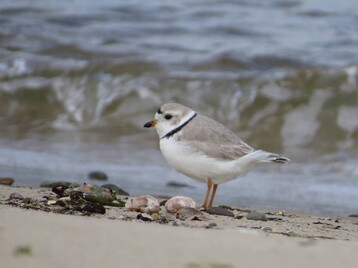
State and local protections may blunt the impact on Nantucket from a federal ruling stripping protections for the habitats of endangered species, but the migratory nature of many species and the importance of federal rules mean that the island will not be totally spared.
On July 10th, the federal government finalized a rule rescinding a definition of “harm” that long protected habitats under the Endangered Species Act. Now, harm only covers actions that directly injure endangered species, not harm to their habitats. That means developers, loggers, and other actors can destroy endangered species habitat without repercussions from the federal government as long as they don’t directly harm any endangered species.
On Nantucket, endangered species protections remain relatively robust. Massachusetts has its own safeguards, which are not affected by the federal government’s shifting stance.
“We are fortunate on Nantucket that many of our habitats are protected anyway,” Linda Loring Nature Foundation director of research and conservation Sarah Bois told the Current. “Our state has committed to biodiversity.”
Much of the island’s endangered species habitat is also privately protected by conservation organizations, several of which told the Current that the federal government’s new rule would not change how they manage their land.
“No matter what, at least for [the Nantucket Conservation Foundation], we would continue doing what we have been doing for habitat protection,” Nantucket Conservation Foundation director of research Danielle O’Dell told the Current.
That said, Nantucket will still feel the effects of the new rule. Many protected species, including birds like the iconic piping plovers, are migratory. When they head south, they may return to states where regulations are less strong and find that their habitats have been destroyed while they were away. Nantucket’s conservation efforts won’t matter then.
“It's those migratory species that I think are the biggest concern,” Bois said. “I think that's where the concern is.”
Federal rules are also especially important in this case, as states have historically relied on the Endangered Species Act to protect habitats. Some experts have said that almost no states have rules explicitly protecting habitats, and that such rules could be difficult to implement.
Dozens of environmental groups and Native American tribes have sued the federal government over the change, which they worry could devastate endangered species protections across the country. A 1995 Supreme Court decision found that habitat modification does constitute harm under the Endangered Species Act.
Bois added that this issue has existed before with migratory species that travel to other countries with looser protections, but will be exacerbated now.
“It's crazy to think about it within our own country, that that could be similar now,” she said.