New Land Bank Facility Now Accepting Deer For Processing
JohnCarl McGrady •
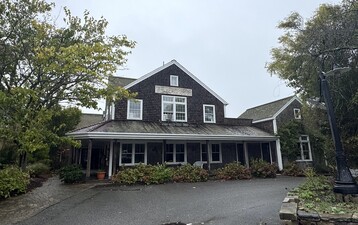
The Nantucket Land Bank’s new agricultural processing facility at 19 Boynton Lane is now operational and accepting whole deer donations for MassWildlife’s Hunters Share the Harvest program, through which hunters can donate venison to those in need.
The Land Bank announced the opening of the facility last Thursday, four days into the state’s annual shotgun hunting season. The facility, run out of the basement of a new food security hub that will also play host to Nourish Nantucket and the local food pantry, is the first of its kind on the island, though there were smaller-scale efforts to donate venison in the past.
“With the growing deer population and heightened local concern, creating a processing site will help manage herd size while supporting food distribution for residents in need,” the Land Bank wrote in a statement. “Establishing a venison processing facility on Nantucket ensures MassWildlife’s Hunters Share the Harvest program can thrive locally.”
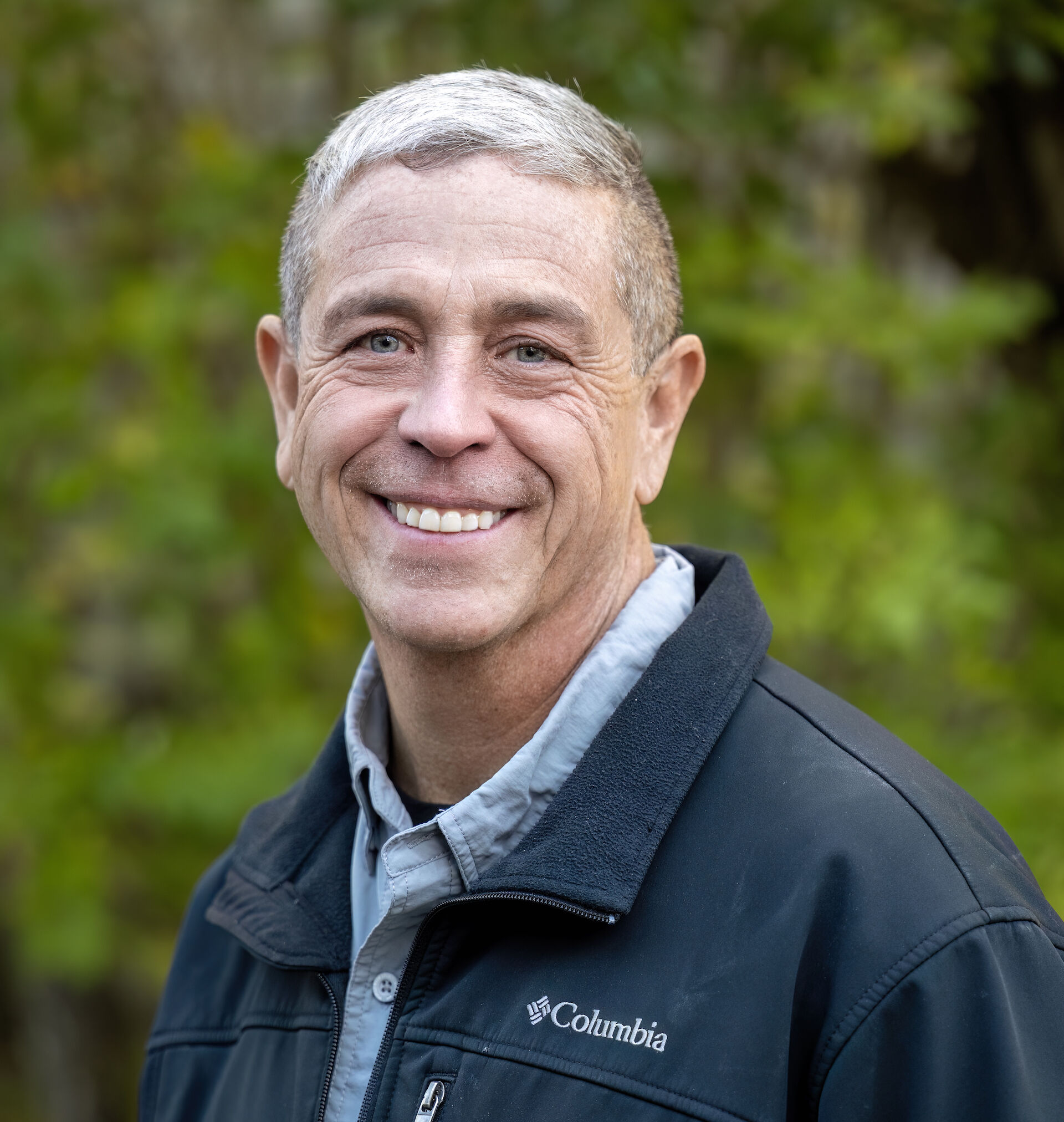
The project has moved quickly in recent months. The Land Bank and Nourish closed on the property in late October, and former Massachusetts Environmental Police Captain Dean Belanger was hired as venison processing manager less than two weeks later.
All meat processed by the Land Bank will go to Nourish and the food pantry, keeping the venison on island—and in the same building.
Hunters who donate whole deer to Hunters Share the Harvest will receive a free antlerless deer tag from MassWildlife to incentivize further hunting.
Hunters can donate deer at the west entrance to 19 Boynton Lane from 8:00 a.m. to 6:30 p.m. Monday through Saturday, and 8:00 a.m. to 12:00 p.m. Sunday. The Land Bank asks that hunters call or text ahead of their arrival at 508-221-9574.
Land acquired using the revenue from the two percent transfer fee the Land Bank collects on real estate transactions must be dedicated to open space, recreation, or agricultural uses. The Land Bank contends that the processing of donated venison, which could eventually expand to other meat products, qualifies as an agricultural use.
It is perhaps the most notable example yet of the Land Bank’s new approach to purchasing land, which Land Bank commissioners have said will involve “transitioning away from a purely open space acquisition mode.”
Deer cause massive damage to local ecosystems, are notorious disease vectors, routinely prove a nuisance to local landscapers and gardeners, and are a danger to drivers. And yet, the herd is only growing. A facility like the one on Boynton Lane could be what is needed to turn the corner in Nantucket’s fight against deer overpopulation.
The Land Bank has also discussed deer damage permits at several recent meetings, and the majority of the commission seems to favor them. Deer damage permits would allow the Land Bank to take deer outside of hunting season under certain conditions.