Current Nature: Bird Is The Word
Rochele Rodriguez, Ecological Education Intern at the Linda Loring Nature Foundation •
Bird is the word this week at the Linda Loring Nature Foundation and that is due to a very exciting revival of a previously beloved feature of the Foundation. If you are a lover of the Foundation, you might already know what I’m about to announce but for those who aren’t yet, let me get you caught up. This year has been full of change for the Foundation. One of the significant moments of change was the construction of our new fully sheltered learning space. We are so happy to have this space but with its construction came the loss of our bird feeder array, which had been a feature of the organization for more than a decade.
Absence makes the heart grow fonder and this was the case with our bird feeder array. In the absence of the bird feeder array the members of the LLNF were left with 2 main questions; 1) How do we want to construct the new bird feeder array, 2) in what ways can we make the bird feeders serve the current ambitions of the organization? Answering these questions with the help of my mentors became one of my goals this summer.
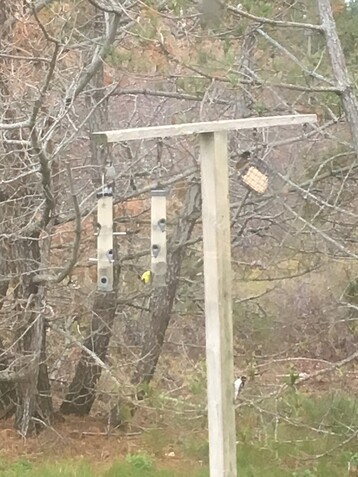
Supplemental bird feeding has been a hobby since the early 19th century. Those who have studied how birds benefit from supplemental feeding have found that supplementary feeding increases antioxidant levels, reduces stress and increases rate of feather growth as a result of access to high energy feed. Our primary goal when creating a new bird feeder array is to be able to meet the feeding styles of varying types of birds. The basic designs in the bird feeder market include tray, hopper, tube, and suet feeders. Including multiple styles of feeders in our array helps us target multiple bird feeding styles and sizes of birds. Trays and hopper feeders tend to attract large bird species such as doves, crows, and grackles. Tube feeders help attract smaller agile birds such as chickadees, finches, and sparrows. Suet cages attract species that are reliant on higher energy food such as animal fat, and fruits.
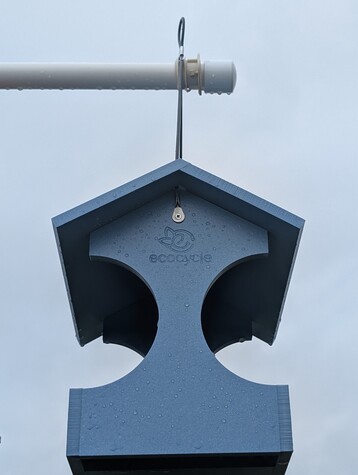
The second consideration made in constructing a new bird feeder array was sustainability. We wanted to embrace sustainability in this project in a couple different ways. The first is sustainability of the array itself. That means the new array must be able to withstand the natural elements, because as most of us know wind on Nantucket is no joke. The second form of sustainability is in our purchasing at LLNF, that means buying products from U.S made companies with real people behind them and reliable materials such as wood, metal, and recycled plastics.
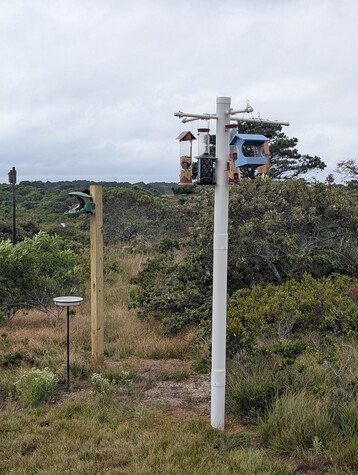
With all these considerations in mind we got hard to work on finding the right materials, feeders, and poles for our project. After weeks of review and placement considerations, its official; bird feeders are back at the Linda Loring Nature Foundation! The new feeder array features multiple bird feeder types made of durable materials produced by Nature’s Way Bird Products, and feeder poles made of a hardy PVC that will be able to get back up again even if knocked down produced by SquirrelPoof, a small family-owned company.
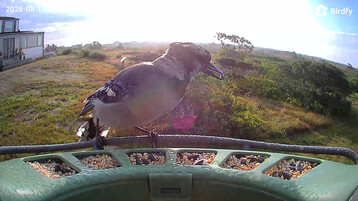
One goal the Foundation hopes to fulfill soon with the new bird feeder array is the creation of a bird feeder live stream to further expand our potential for digital outreach and education. This livestream would bring nature into whatever space the audience wants it; including homes, hospitals, classrooms, with potential for so much more! The LLNF currently has a couple high-definition cameras purchased, one of which includes a Birdfy Feeder 2 Pro which has livestreaming capabilities and bird identifying features. This phase of the project is still a work in progress, but we’ll keep the public posted! The team at LLNF is excited about the arrival of the bird community and the possibilities that this new educational resource will provide.
Stay tuned for more editions of Current Nature, a bi-weekly column featuring seasonal topics, natural history information, and advice on the outdoors from the staff at the Linda Loring Nature Foundation.