Current Nature: In The Know About Mosquitoes
Seth Engelbourg Director of Education and Interpretation at the Linda Loring Nature Foundation •
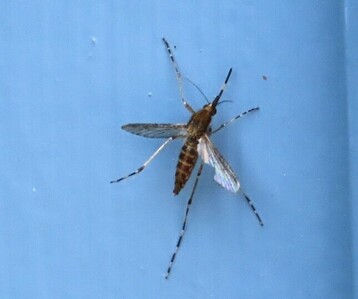
Summer on Nantucket brings with it many treasures of nature: sunny beach days, serene trail walks, and picturesque sunsets. But during the warmer months, we always need to remain vigilant against the hazards of being outdoors, such as biting insects, poison ivy, and sunburns. Although ticks have long been the primary topic of conversation when it comes to island insects, they are not the only pests to be wary of.
For the last week, you may have noticed a significant increase in mosquito populations on Nantucket. Before we discuss the potential reasons why, let’s first dig a bit deeper into their life history. Worldwide, there are over 3,500 different species of mosquitoes, with at least 150 documented in North America and 51 known to exist in Massachusetts. Contrary to popular belief, human blood is not the primary food source for mosquitoes. Rather, mosquitoes are actually pollinators and feed on a variety of plant nectars. Most mosquito species do not bite humans at all, and among the ones that do, only females bite. Female mosquitoes use this blood meal to make eggs and reproduce. Different mosquito species seek blood from different hosts; some search out humans, but others bite frogs, turtles, birds, and horses. To find a target, mosquitoes have evolved to smell carbon dioxide (the gas that we exhale during breathing) as well as lactic acid (which we produce when exercising). Although their bites can be annoying, female mosquitoes live for less than two weeks, so it is likely that this big population boom we are experiencing will die off soon.
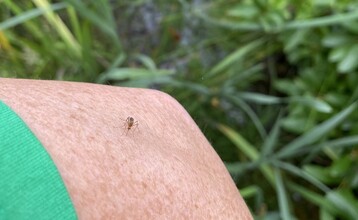
As for why there may be a noticeable increase in mosquitoes right now, the most likely reason is related to the torrential rain storms we have episodically had over the past few weeks. Mosquito eggs rely on water to hatch. Some species lay their eggs directly on water, and others lay on land, but the eggs only hatch after being inundated by floodwaters. After over a year of serious drought, the land was parched, the smaller ponds started to dry up, and there were no puddles to be found. This is likely why we didn’t notice any mosquitoes earlier this summer. Recently, we have had three significant rain events, with more than one inch of precipitation in less than 24 hours encountered during each storm. The first storm was even more significant, with over three inches in some parts of the island. Although this rain has been celebrated as the solution to our drought, in honesty, not all rain events are of equal quality. The best type of precipitation to support the recharge of our aquifer and productivity for our native flora and fauna is slow, soaking, regularly occurring rain, not episodic storms. During storms, precipitation falls faster than it can infiltrate into the ground, causing runoff, erosion, and, most importantly for this article, puddles. Recent floodwaters have provided the ideal conditions for mosquito egg development. Although puddles are ephemeral, mosquito eggs typically hatch in only 24 hours, which is plenty of time before the puddles recede.
As much as we would like to, we can’t control the weather. However, there are ethical strategies we can take to minimize mosquito impacts. These strategies fall into two main categories: personal protection and community management.
For personal protection, make sure that when you go outside, you are properly equipped. When in nature or hiking on trails it is best practice to wear closed-toed shoes and long pants. You may also want to wear a lightweight long-sleeved shirt and a hat to reduce the open skin area available for mosquitoes to bite. In addition, you should consider using insect repellents such as DEET or picaridin and/or using a spatial repellent such as a Thermacell. Although mosquitoes can bite at any hour, they tend to be more active between dusk and dawn, so reducing your outdoor activity during those times can help.
As for community management, both homeowners and the town have an active role to play. As a homeowner, the most important thing you can do is eliminate any standing water from your property. This includes dumping out buckets, cleaning gutters, storing boats or kayaks appropriately with tarps, and properly disposing of old tires. Basically, anything you have that can collect water should be removed or regularly maintained so that the water is drained. At the municipal level, the town of Nantucket, through the DPW, works with a qualified contractor to do mosquito control. This primarily consists of surveillance, testing, and larvicide treatment. You can find more information about that here. No chemical spraying is done for adult mosquitoes, as the chemicals are non-specific and would end up killing a whole host of native insects and pollinators in addition to mosquitoes. This would have detrimental and potentially catastrophic impacts for our rare and unique ecosystems, which is not in the spirit of Nantucket’s community values.
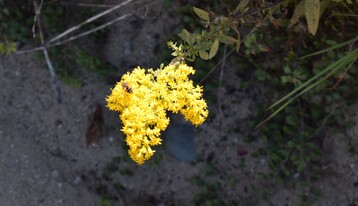
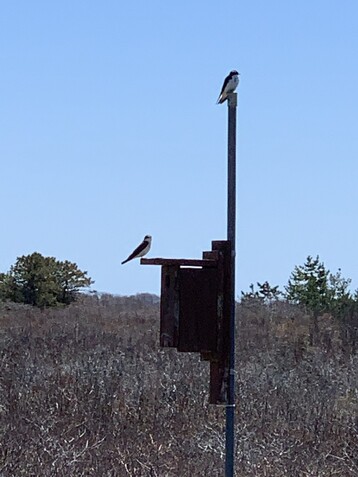
Although they are known as a pest, as mentioned before, mosquitoes are also an important pollinator for many plants, including grasses, goldenrods, orchids, and many small wetland flowers. In addition, they serve as a primary food source for insectivorous birds such as tree swallows. So, if you’re looking for a creative way to reduce mosquito populations, putting up a nest box at your house could help both with pest management and bird conservation!
Ultimately, although their bites lead to annoying itching, mosquitoes are a temporary part of island life in the summer. Prevention should be taken seriously as many mosquito species do have the potential to transmit disease, but following the strategies listed above should greatly reduce your risk.
Stay tuned for more editions of Current Nature, a bi-weekly column featuring seasonal topics, natural history information, and advice on the outdoors from the staff at the Linda Loring Nature Foundation.