Current Nature: Nantucket Sharks Share The Sea
Ava Boettiger, Conservation Science and Stewardship Intern at the Linda Loring Nature Foundation •
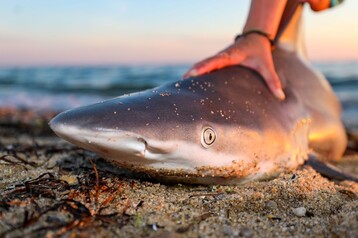
Summer has officially arrived on Nantucket, bringing long beach days, warmer waters, and the seasonal return of one of the ocean's most talked-about visitors: sharks.
Although shark sightings often make eye-catching headlines, these animals are a natural and expected part of the island's summer marine ecosystem. Each year, as ocean temperatures change across the Northwest Atlantic, several shark species migrate north into southern New England, following warmer waters and seasonal prey abundance. During the summer months, the waters surrounding Nantucket become especially productive. Schools of fish, squid, and other marine life provide abundant food, making the island an ideal seasonal feeding ground before many sharks resume their migrations as temperatures cool again in the fall.
When you picture a shark, what comes to mind? For most people, it's the great white. Great white sharks receive much of the attention each summer and are certainly part of Nantucket's seasonal marine community. These apex predators are drawn to the area by their preferred prey species: gray and harbor seals. Their presence showcases how closely connected marine food webs really are: where prey is abundant, predators follow. But great whites are only one member of Nantucket's seasonal shark community.
The waters around the island are visited by a surprising variety of shark species. Basking sharks, the second-largest fish in the world, are occasional visitors that couldn't be more different from the great white. Despite reaching lengths of over 30 feet, these gentle giants feed entirely on microscopic plankton, slowly swimming near the surface with their mouths open to filter tiny organisms from the water. Sandbar sharks and dusky sharks also migrate through the region. If you'd like to learn more about one of these species, check out Linda Loring Nature Foundation's Science Pub featuring marine scientist Caroline Collatos, whose research centers on sandbar shark presence, residence, and annual habitat use.
While these larger sharks often capture the spotlight, they're not the species most people are likely to encounter. If you've ever fished around Nantucket, there's a good chance you've caught a smooth dogfish, probably by accident. These small sharks are among the most common in the Northwest Atlantic and are frequently caught by recreational anglers targeting other species. Although they rarely make headlines, smooth dogfish are an important predator in our coastal food web and a familiar part of the island's marine community.
How cool is it that the waters surrounding our little island can support such an incredible diversity of marine life? From plankton-feeding basking sharks to apex predators like great whites, every species fills its own niche in the marine food web. Together, these shark species highlight just how productive and connected Nantucket's marine ecosystem really is.
Most importantly, sharks are not something to fear. Encounters between sharks and people remain extremely rare, and a little awareness goes a long way. Following local advisories, staying aware of your surroundings, and giving wildlife plenty of space are all that's needed to enjoy the water safely. Even the Nantucket Current regularly shares updates on recent shark sightings, helping beachgoers make informed decisions before heading to the shore. If shark sightings leave you feeling uneasy, choosing a lifeguarded beach can provide an extra layer of comfort while you enjoy Nantucket's beautiful coastline.
So when a shark sighting makes its way around the island this summer, don't fear. Instead, see it for what it really is: a reminder that the waters around Nantucket are healthy, productive, and full of life. Enjoy the beach, soak up the sunshine, and remember that sharing the water with sharks is simply part of summer on Nantucket.
Stay tuned for more editions of Current Nature, a bi-weekly column featuring seasonal topics, natural history information, and advice on the outdoors from the staff at the Linda Loring Nature Foundation.