Current Nature: Nature's Calendar On Nantucket
Saoirse McCarthy, Linda Loring Nature Foundation •
On Nantucket, the turning of a new season isn’t written on a calendar but can instead be seen from changes in the landscape. The sprouting of daffodils, tree swallows returning to the island, and a chorus of spring peepers are all signs that we are transitioning from winter to spring. And with the winter we’ve had this year on Nantucket, these cues from the natural world feel all the more significant.
These milestones are what we call phenology. Phenology is the study of the timing and cyclical patterns of events in the natural world, particularly those related to the annual life cycles of plants, animals, and other living things. Unlike human calendars, nature’s calendar follows environmental cues.
Plants and animals respond to things like
- Temperature changes
- Lengthening daylight
- Seasonal cycles of precipitation and soil warmth
Nantucket’s seasons can sometimes feel a little out of sync or slightly behind from what the mainland experiences, and that is down to the fact that we are 30 miles out to sea and are influenced by the surrounding water. The ocean acts like a natural thermostat, slowing down how quickly the island heats up and cools down. This is why we may feel like our spring is cooler and potentially delayed, or why summer creeps into fall here, versus what’s happening elsewhere on the mainland.
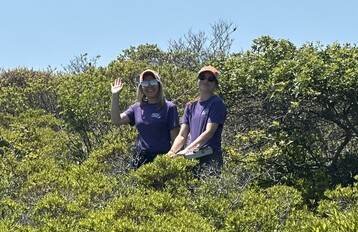
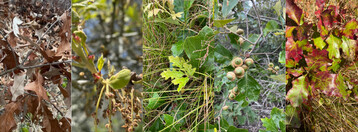
Linda Loring Nature Foundation has collected phenology data since 2014 on a diversity of plant species including common, native shrubs. It is a key part of the research program and across the 275-acre property, eight sites are monitored for changes in native shrubs like Black Cherry, Bayberry, and Scrub Oak. These sites also have sensors to capture temperature data.
This long-term data set is particularly valuable when it comes to understanding ecological change. By tracking when events in the natural world occur year after year, scientists and volunteer observers can detect patterns and shifts over time and predict ecological responses to climate change. This data can inform conservation planning such as protecting vulnerable species, habitat management like maintaining important ecosystems, and climate resilience planning to help us prepare for the change that is happening over time.
You can get involved and start tracking the changes you see with Nature’s Notebook, an online phenology monitoring program developed by the USA-National Phenology Network. Dr. Sarah Bois of the Linda Loring Nature Foundation hosted a phenology workshop which you can watch here to learn more about this volunteer program and the research done on Nantucket!