After Rains, A "Huge Deluge Of Mosquitoes" Plagues Madaket Residents
JohnCarl McGrady •
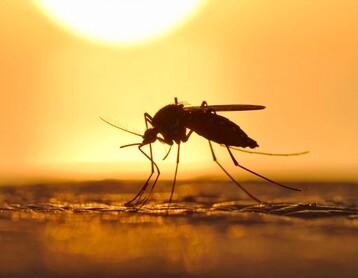
In the last few weeks, many Madaket residents have complained about a booming mosquito population. It may be the result of the intense rainstorms Nantucket has seen this month.
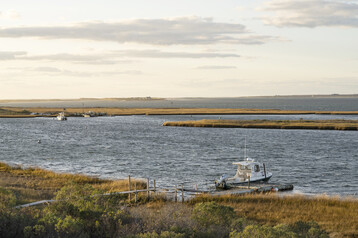
Both town representatives and conservation professionals told the Current that the explosion of Madaket’s mosquito population is the result of a dry June followed by heavy rainfall and higher-than-normal tides in July. This created an excess of standing water, the favored habitat of mosquitoes. Mosquitoes that had waited out the drought that characterized the spring bred, and the resulting offspring flooded Madaket over the last several weeks.
Madaket resident Bill Grieder said that mosquitoes have significantly disrupted life in the area this summer.
“There's just been this huge deluge of mosquitoes everywhere. Way more than you’d expect to have. Some people had tens or hundreds of bites when they were on the walking paths, or even just going to the car. It wasn't in areas of standing water or anything,” Grieder said. “It's made the outdoors just unusable.”
Large rainstorms are particularly favorable for mosquitoes. When large amounts of rain fall at once, much of it cannot seep into the ground and is left behind in puddles of standing water, which are highly attractive habitats for mosquitoes.
While Madaket residents raised concerns that the town’s mosquito control program may have lapsed, town officials assured the Current that this was not the case.
“Our long-standing mosquito control contractor has been conducting routine larval treatments at established sites across the island, including Madaket, since spring. When residents raised concerns about Madaket specifically this summer, the Town requested additional treatments there, and [the contractor] performed them,” Department of Public Works Director Drew Patnode wrote in an email to the Current. “Treatment at all contracted locations has continued uninterrupted this season.”
Linda Loring Nature Foundation director of research and conservation Sarah Bois agreed that mosquito populations have been higher than usual in Madaket over the last few weeks.
“Mosquitoes are always kind of part of the ecology, but because they are so dependent on the specific environment and the micro-environment, we've grown used to them not being around so much,” she said. “We've noticed more mosquitoes.”
One potential issue is that the town’s program only treats larvae, not adult mosquitoes.
“We do not spray for adults, a longstanding practice due to resident health concerns and environmental impact,” Patnode wrote. “So even effective larval control doesn't eliminate adult mosquitoes already in the air after a rain event.”
But Bois warned against expanding mosquito control efforts.
“Anything that sprays for mosquitoes is non-species-specific, so it would affect every moth, butterfly, pollinator in your yard,” Bois said. “I would caution any action to be taken until we know if this is a blip or a continued thing.”
Bois said that mosquitoes are an important part of Nantucket’s ecosystems.
“Mosquitoes are a very big food source for tons of our birds,” she said. “Many of our insectivorous birds are already in decline because of the global decline of insects.”
In a column published by the Current, Linda Loring Nature Foundation director of education and interpretation Seth Engelbourg wrote that mosquitoes are primarily pollinators and are an important part of island food chains.
Some residents have suggested the town should return to maintaining old mosquito ditches in Madaket, but Patnode said this program ended in 2008 because of an injunction from the Army Corps of Engineers that blocked mosquito ditch efforts in Nantucket’s salt marshes. Bois added that such programs are not scientifically supported.
“They're not shown to be very effective, and actually do more harm than good, so I'm more concerned about bigger-picture ecological actions taken because a few people complain about mosquitoes,” she said. “It’s okay for us to be uncomfortable sometimes. Mosquitoes are a part of life.”
Patnode and Engelbourg shared similar mosquito prevention tips: wear closed-toed shoes, long pants, and insect repellent; limit your time outside in the morning and evening; and get rid of standing water on your property.