Town Bringing Proposal For New Stormwater Management Bylaw To Town Meeting
JohnCarl McGrady •
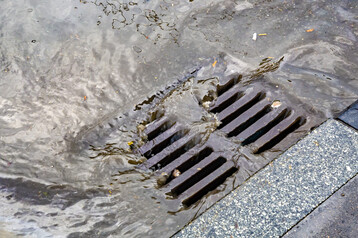
The longest article on this year's Annual Town Meeting warrant? An 18-page bylaw dedicated to the management of stormwater.
Article 71 hasn’t received much attention, and a sparsely attended public information session resulted in few questions. But, if passed, it would establish a new island utility with the power to collect fees, issue permits, and, if necessary, assess penalties for regulatory violations.
Town staff say the bylaw is needed to formalize stormwater rules and fund the maintenance of stormwater infrastructure.
“The town's stormwater infrastructure system is subpar. It needs improvement in many places,” town manager Libby Gibson said. “It's needed for the protection of public property, private property, environmental reasons, including water quality.”
Frank Ayotte, a vice president of the consulting firm Hazen and Sawyer, which helped draft the bylaw, agrees.
“It's to establish a fair, equitable, and sustainable system for utilizing and maintaining the town of Nantucket's stormwater system,” he said.
While some opponents may worry that it will be one more regulatory hurdle developers have to clear to build on-island, the main criticism the town has faced so far is that while the article lays out the groundwork for enforcing stormwater rules and regulations, it doesn’t actually establish what any of those rules and regulations might look like.
“There might be some concerns with passing a bylaw that has some of these implications without understanding what those regulations and implications might be,” local engineer Art Gasbarro said.
When pressed, Ayotte said the rules would be “specific to Nantucket,” but declined to elaborate. At this point, there’s no clear picture of what regulations the new utility would be empowered to enforce, or what penalties they would be able to assess.
Gibson said that the bylaw has to be passed before the regulations can be adopted, and emphasized that there will be plenty of opportunities for public comment and input while said regulations are being drafted.
Gasbarro also pointed out that there are existing stormwater requirements on Nantucket which go largely unenforced.
“There's zero enforcement of the special permit conditions now. Why can't that just begin?” he asked. “There should be an approach to address the requirements that are on the books now and are enforceable.”
Gasbarro’s concerns echo the larger struggles with enforcement facing Nantucket. It’s possible the new stormwater regulations could be another example of the town adding to existing language that is already disregarded with few consequences.
Gibson disagreed. Existing issues with enforcement, she said, stem in part from a lack of specialized staff, a problem the new bylaw would help solve.