Current Nature: A Week Of Fieldwork On Nantucket
Ava Boettiger, Conservation Science and Stewardship Intern at the Linda Loring Nature Foundation •
When people think of ecological research, they often picture lab coats or field stations in faraway places. But have you ever wondered what it looks like right here on Nantucket? It takes careful observation, consistent monitoring, muddy boots, early mornings, and a healthy dose of curiosity.
Hi, I’m Ava Boettiger, the Conservation Research and Stewardship Intern at the Linda Loring Nature Foundation this summer. My days are spent following the rhythms of Nantucket’s natural world. One day, I’m checking Tree Swallow nest boxes filled with eggs, the next I’m wading through wetlands in search of turtles, or recording the first signs of summer on a beach plum shrub. Every week looks a little different, but each project helps tell the story of the island’s wildlife and ecosystems.
I thought it would be fun to share what a typical week looks like as a science intern and showcase some of the many fascinating projects happening across the island.
Every morning begins with checking our weather stations and recording precipitation data, which is shared with local and national monitoring efforts. It may seem like a small task, but these measurements help us understand how changing conditions shape Nantucket’s ecosystems, especially during the island’s ongoing drought.
My attention shifts to a walk through the Linda Loring Nature Foundation property as I check more than 40 Tree Swallow nest boxes. The landscape is a mosaic of rolling grasslands, wetlands, cranberry bogs, and thickets of native shrubs. Deer move quietly through the vegetation, birds are constantly in motion, and from many points along the trails, the ocean shimmers in the distance.
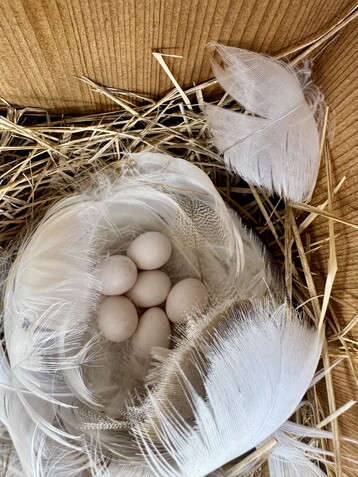
As the swallows swoop overhead, I carefully record nesting activity, monitor breeding progress, and photograph what I find. Right now, most of the nests contain tiny white eggs tucked into soft cups lined with feathers. Before this internship, I had no idea that Tree Swallows carefully line their nests with feathers to create such warm, insulated homes for their young. One of my most memorable moments this week came when I opened a nest box and found newly hatched chicks where there had only been eggs a few days before. It was a small but powerful reminder of how quickly spring gives way to summer in the natural world.
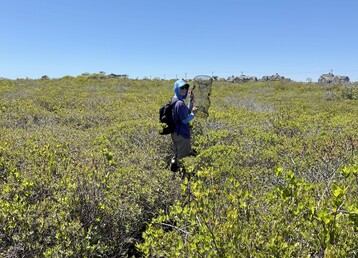
As the week continues, my attention shifts to Nantucket’s plant communities through phenology monitoring, the study of nature’s timing. Across several microclimate sites, I track our native species of scrub oak, black cherry, huckleberry, blueberry, bayberry, arrowwood, and beach plum, recording stages like leaf-out, flowering, and fruit development. One thing that has surprised me most is just how quickly these changes can happen. Sometimes a site can look completely different from one week to the next. Aromatic flowers appear, leaves unfurl, and shrubs that seemed dormant suddenly burst into growth. These observations help us understand how Nantucket’s vegetation responds to changing environmental conditions over time. I’m especially looking forward to seeing many of these plants produce fruit later this summer, and maybe even trying a few.
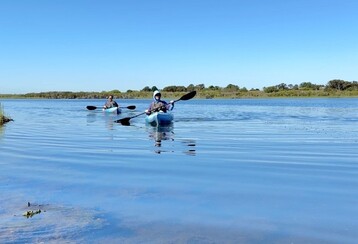
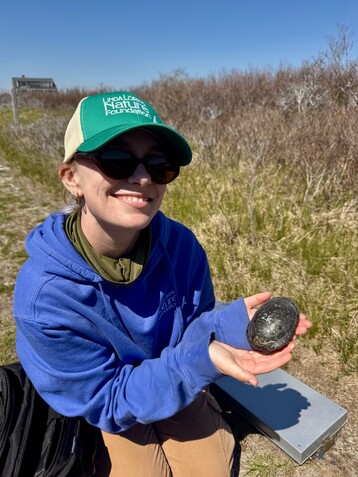
Midweek often means heading into the wetlands. This week, I’ve spent time kayaking to monitoring sites on Long Pond and learning water-quality data collection techniques to track the pH and salinity. Later in the day, I trade my kayak for waders and navigate through marshes and cranberry bogs to set turtle traps in freshwater habitats. These traps allow us to safely study local Painted and Spotted Turtle populations and understand how they use freshwater habitats, which is especially significant considering Nantucket's current drought conditions.
Thursday brings a different kind of conservation work. Alongside staff and volunteers from the Invasive Plant Species Committee (IPSC), I help remove invasive garlic mustard from public spaces such as Discovery Playground and the Old Mill. Though small, these efforts help protect native plant communities from species that can quickly spread and outcompete local vegetation.
Assisting with the Linda Loring Nature Foundation’s island-wide Osprey monitoring program has been a great opportunity for me to see all corners of the island. Throughout the season, we visit nest sites to record breeding activity and track nesting success. This week, several nests have begun hatching, and it has been incredible to watch osprey parents return with fish for their growing chicks!
Friday morning, I assist with bird banding and learn the skills needed to safely handle birds. Right now, I am practicing carefully removing birds from mist nets and properly holding them during processing. It takes patience, focus, and practice, but each session builds confidence. My favorite species so far has been the Yellow Warbler, whose bright yellow feathers look like a tiny burst of sunshine moving through the shrubs.
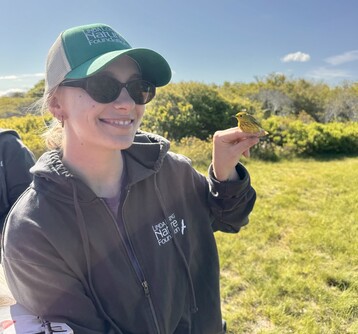
What I enjoy most about this internship is the variety of work. No two days are exactly alike, and each experience has given me a greater appreciation for Nantucket’s diverse habitats and wildlife.
I’m grateful for the opportunity to contribute to these projects while building new skills and learning from the incredible staff and fellow interns around me. With much of the field season still ahead, I look forward to the discoveries, challenges, and experiences the rest of the summer will bring.
Stay tuned for more editions of Current Nature, a bi-weekly column featuring seasonal topics, natural history information, and advice on the outdoors from the staff at the Linda Loring Nature Foundation.